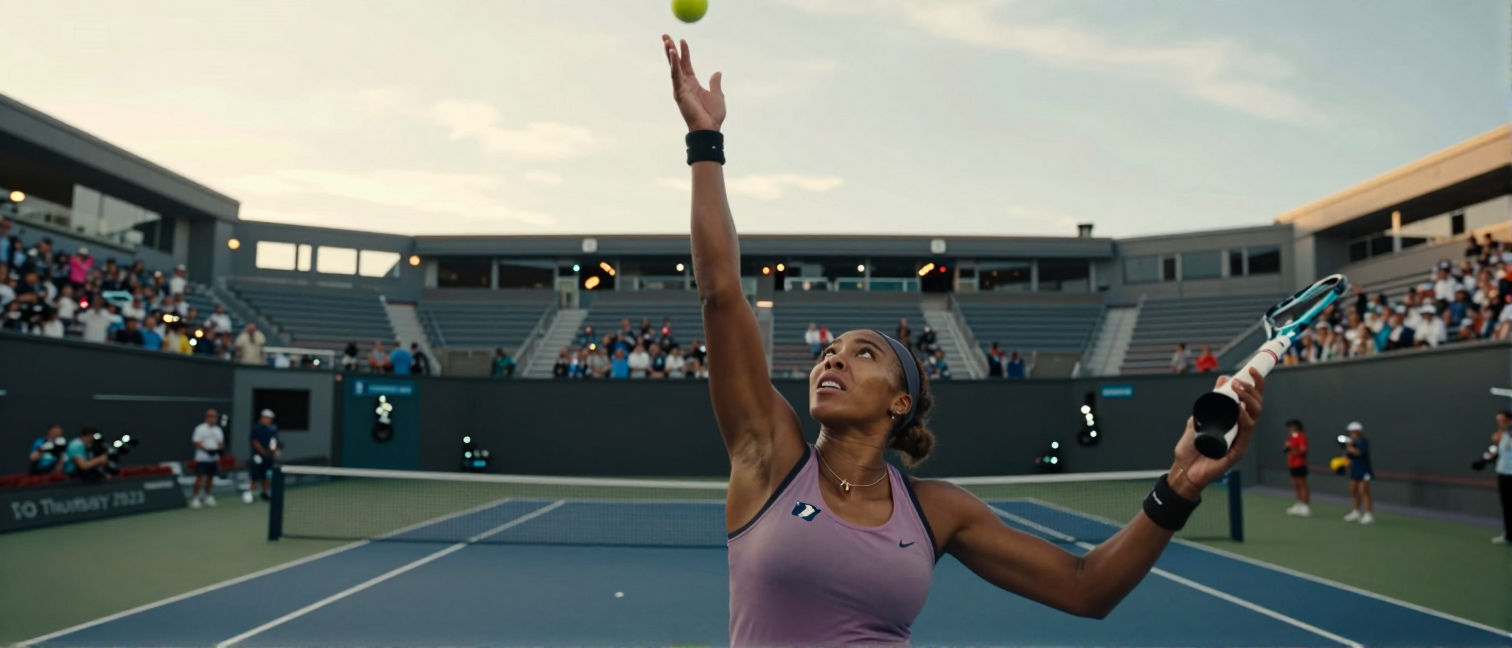
Coco Gauff will go head-to-head with Karolína Muchová in the Wimbledon semifinals on Thursday, July 11, in what could be her most challenging match of the tournament. The 22-year-old American, who entered the year with two Grand Slam titles but had struggled on grass for two years, now faces a player who embodies Wimbledon’s romantic ideal. Muchová, a 29-year-old Czech, has reached her second Slam final and thrives on the surface where Gauff’s foot speed often falters.
Why is this matchup so different from Gauff’s other Wimbledon wins?
Muchová’s game is built for grass. She slices, volleys with precision, and improvises shots that seem impossible—qualities that earned her comparisons to legends like Martina Navratilova. In her quarterfinal win over Naomi Osaka, she served six aces and outlasted the world No. 1 with a mix of creativity and fundamentals. Gauff, by contrast, has spent years refining a baseline-heavy style that works better on hard courts. Her forehand can falter under pressure on grass, and her serve, while potent, has been less efficient in past Wimbledon appearances.
How has Gauff turned her grass-court struggles into a strength this year?
This Wimbledon, Gauff has flipped the script. She’s used serve-and-volley plays to disrupt opponents, dragging them into rallies where her high-bouncing forehands dominate. Against No. 4 seed Jessica Pegula, she hit aggressive forehands that pushed Pegula behind the baseline—exactly where Gauff wants them. In her fourth-round win over Belinda Bencic, she rushed the net, forcing errors. But the heat at this year’s tournament has added another layer: endurance. Gauff’s ability to outlast opponents in grueling conditions could be the key to her success.
What does Muchová bring to the table that Gauff hasn’t faced yet?
Muchová doesn’t just volley—she does it with intent. She idolized Roger Federer and trains off clips of Stefan Edberg and Pat Rafter, studying how to glide across grass courts. Her fourth-round win over Barbora Krejčíková, the 2024 Wimbledon champion, featured a one-handed backhand pass and a half-volley lob on match point. Against Osaka, she served brilliantly, finishing with seven aces in a match that hinged on fundamentals, not just flash. Gauff’s game thrives on making opponents uncomfortable; Muchová’s may force her to adapt in ways she hasn’t had to before.
What’s at stake for Gauff if she loses?
A semifinal loss would mark a setback for Gauff, who arrived at Wimbledon with high expectations after a slow start to 2026. Her two Grand Slam titles (2023 Australian Open, 2024 US Open) established her as a rising star, but grass has long been her weakest surface. Muchová’s path to the final includes wins over Osaka and Krejčíková—two players who’ve beaten Gauff in the past. If Gauff loses, she’ll need to regroup quickly, as Wimbledon’s final on Saturday will test her resilience like never before.